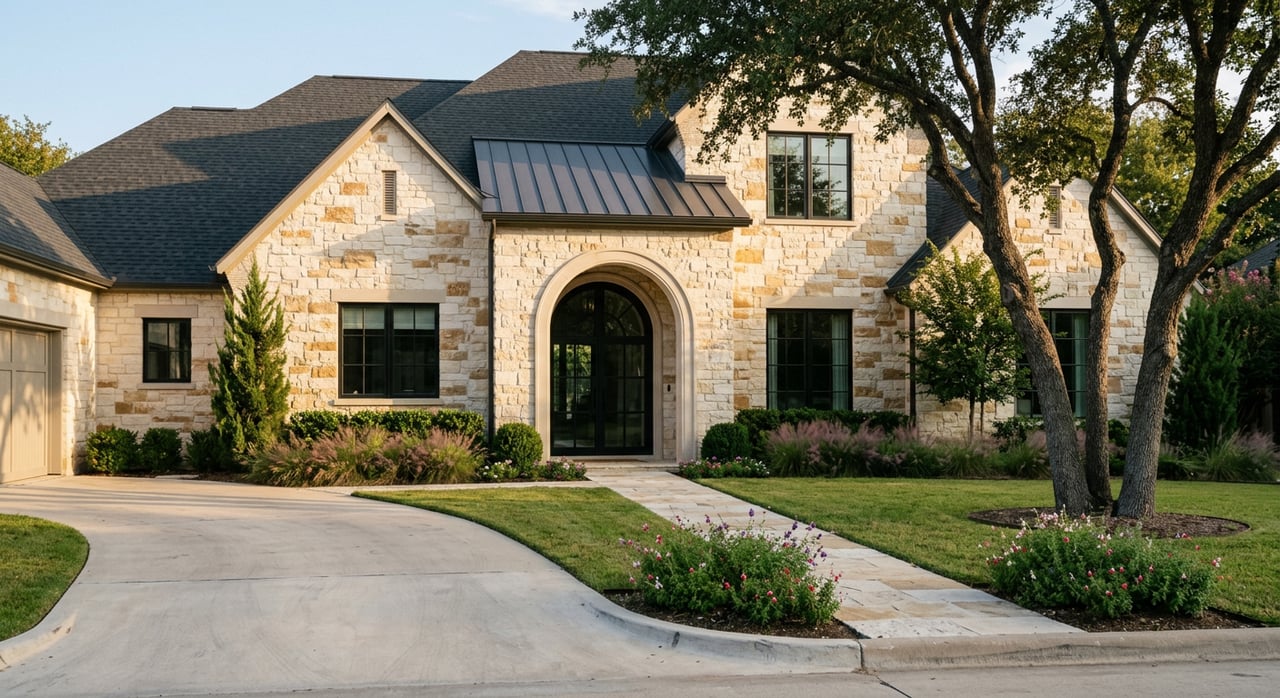
Aledo New Construction vs Resale: How to Choose Your Home
March 5, 2026
March 5, 2026
Torn between a shiny new build and a charming resale in Aledo? You’re not alone. Choosing the right path affects your move timeline, monthly costs, and how much work you take on after closing. In this guide, you’ll compare real differences in warranties, HOAs, utilities, timelines, and total cost of ownership in Aledo and nearby Parker County communities. Let’s dive in.
Aledo is a small, fast-growing town with a population of about 5,800, according to the latest American Community Survey profile from Census Reporter. The area blends master-planned neighborhoods, semi-custom builds on larger lots, and older resale enclaves.
Recent third-party snapshots show a median home value in the low-to-mid $500Ks and days-to-pending often around two to three months. Exact figures change by neighborhood and month, so use current MLS data when you’re ready to compare addresses.
A major driver of new construction near Aledo is Walsh, a large master-planned community on the Fort Worth side with schools, parks, and planned retail. You can explore community details on the official Walsh site.
Building or buying new can be a great fit if you value modern layouts, energy-efficient systems, and having a say in finishes.
Across Walsh, Parks of Aledo, and other nearby developments, you’ll find a mix of national and regional builders plus some custom options. In recent releases, published price bands have spanned from the $400Ks to $1M+, depending on builder, floor plan, and lot type. Always verify current pricing and incentives with the sales office for the specific section you’re considering.
Most production and semi-custom plans lean into open kitchens and great rooms, first-floor primary suites, flexible studies, and covered outdoor living. Larger custom and estate homes often add media or game rooms and may deliver one-level living on acreage. Use each builder’s “included features” list to separate standard finishes from paid upgrades.
Master-planned neighborhoods typically offer a range of lot widths, often in the 35- to 70-foot range for production homes, plus larger estate parcels for custom builds that can run roughly 12,000 to 30,000 square feet. Smaller lots tend to reduce yard work and base price, while estate lots increase privacy and maintenance. Ask if the property sits in a MUD or PID and request written disclosures for any special assessments.
If you choose a finished inventory home, a conventional close often takes about 30 to 45 days under normal lending conditions. If you build to order, most production timelines run about 6 to 12 months from contract to completion, while custom builds can take 12 to 18 months or longer depending on site work, permits, and weather. Industry guides outline these ranges, like this custom-home planning overview. Always get a written estimated completion date and remedies for delays.
Most new homes include a “1-2-10” warranty structure: 1 year for workmanship and materials, 2 years for systems like HVAC, plumbing, and electrical, and 10 years for major structural defects. Review the booklet and ask if the program is backed by a third party such as 2-10 Home Buyers Warranty.
Recent Texas legislation allows certain builder-offered written warranties that can reduce how long you can bring specific residential construction claims in some cases. Ask your builder’s rep to explain the structural coverage term and how it interacts with state law, and review the contract language. You can read a bill summary on LegiPlex.
Design-center selections vary by builder and stage of construction. Standard packages are included, while popular options like upgraded countertops, cabinetry, extended patios, and enhanced tech or lighting can add thousands to tens of thousands of dollars. Request a written price sheet and confirm whether any allowances will realistically cover your wish list.
Large new communities often come with robust amenities and homeowner associations. Early Walsh-phase references showed monthly HOA ranges in roughly the high $100s to low $200s, varying by lot size and whether front-yard maintenance is included. Always confirm current dues, what they cover, and whether the home is subject to any special districts or assessment schedules.
Buying resale fits well if you want a faster move or prefer established neighborhoods and mature landscaping.
Resale options in and around Aledo include older single-family homes, 2000s–2010s move-up properties, and some acreage homes. Days on market can be longer in certain segments, and pricing varies by lot size, updates, and location. Use current comps to benchmark each home you tour.
Inspections on resale homes can uncover repairs that lead to concessions or a repair agreement. In North Texas, foundation and drainage items can surface on older homes. Ask for seller disclosures and any repair receipts, and consider a separate structural evaluation if you notice cracks or if the home’s age raises concern.
Looking past the list price will give you a clearer monthly picture. Here are the key line items to pull for any address you love.
Use this when you tour a model home and a comparable resale on the same day.
Choose new construction if you want current layouts, energy-efficient systems, and the confidence of a defined warranty program. You’ll trade some time for customization and community amenities, and you’ll want to plan for upgrade costs and HOA dues.
Choose resale if speed to move and established neighborhoods matter most. You’ll likely gain negotiation leverage and more variety in lot size and location. Plan for a careful inspection and a maintenance reserve in the first few years.
When you are ready to compare specific addresses, I can help you line up apples-to-apples costs, verify tax districts, and review builder contracts and warranty terms so your decision feels clear and confident. If you want local insight on Walsh, Parks of Aledo, or a classic Aledo resale, let’s talk.
Ready for next steps? Connect with Peggy Villagomez to map your options, tour homes, or get a custom new-build vs. resale comparison for your budget.
April 2, 2026
March 24, 2026
March 5, 2026
February 19, 2026
February 5, 2026
January 15, 2026
January 1, 2026
December 18, 2025
December 4, 2025
When it comes to selling homes, I’ve got more marketing tricks up my sleeve than a magician at a magic show. If you want to sell your home, I’ve got so many options that even a buffet would be jealous!