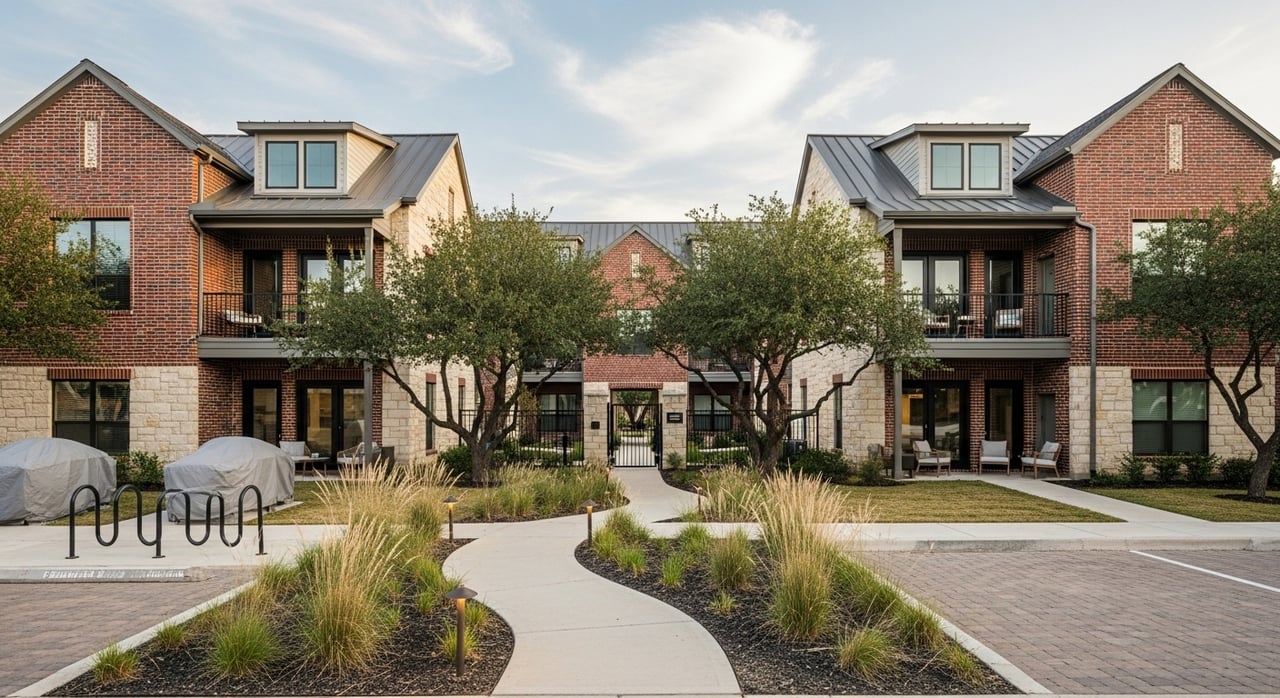
Discover Small Multifamily Gems in SW Fort Worth
October 2, 2025
October 2, 2025
Small multifamily is one of the most practical ways to build income in SW Fort Worth. In this guide, I’ll show you where these properties tend to pop up, how to search smarter, what to watch in zoning, and the steps to finance and inspect a deal. I cover SW Fort Worth and nearby towns like Aledo, Burleson, Godley, Granbury, and Weatherford. If you want help building a custom search or getting early access to off-market leads, I’m here to help.
Small multifamily means properties with 2 to around 20 units. Most buyers focus on:
These are listed on MLS as residential income or multifamily. Consumer sites allow filters for duplex or multifamily so you can find them fast. See examples on Zillow’s Fort Worth duplex search and investor-focused portals like Duplexes.com.
Who buys these assets?
Ownership can be in your name (especially for owner-occupants) or in an LLC for investors. Your lender and CPA can help you choose the best structure.
Small multifamily can be easier to finance than large apartments, and it offers flexible exit plans. You can live in one unit, reduce your payment with rent from the others, and sell later to another owner-occupant or investor. Listings in Fort Worth often range from about 200,000 to 800,000 plus, depending on location, condition, and unit count, which gives buyers a wide entry range. You can scan examples on Zillow and Duplexes.com.
Looking across nearby towns expands your options. Aledo, Burleson, Godley, Granbury, and Weatherford each has its own zoning and lot patterns, which can surface different property types and price points. Working with a local agent who knows these maps and corridors cuts your search time and helps you avoid costly missteps in due diligence.
Here is how I map the hunt in SW Fort Worth and nearby markets.
Small multifamily in SW Fort Worth tends to cluster along older commercial strips and mixed-use edges. Focus your drive-bys and map filters here:
These roads have older buildings and conversions that often trade as duplexes, fourplexes, or small walk-ups. This pattern fits mid-20th-century development in SW Fort Worth. Many of these buildings are one or two stories and may date to the 1950s through the 1980s.
Tip: The City of Fort Worth publishes zoning rules and locations for multifamily districts. The Multi-Family District framework uses CR, C, and D categories, and some projects require a multifamily development permit. Review the city’s MFD guidelines and Official Zoning Ordinance portal before you write offers.
Why include these towns? Two reasons. First, you get a broader mix of inventory and price points. Second, different zoning and permitting can make small multifamily easier to own, operate, or add value. When I set up client searches, I map-draw across city lines so no opportunity falls through the cracks.
Here is a simple workflow I use with investors.
When you are serious about buying, an exclusive buyer agreement can unlock pre-market leads and faster showings. That is where I can add real value.
Set a lender call early. The right loan shapes your budget, your down payment, and your offer speed.
Common loan options to explore:
Get pre-qualified so we know your price range, reserves, and documentation list. Set appraisal expectations for income-producing property and plan for any lender-required inspections. For context on metro yields, recent commentary shows suburban multifamily cap rates around the mid 5 to low 6 percent range at the metro level, though small asset returns vary by rents, vacancy, and expenses. See a summary at Apartment Loan Store. We will always price your deal based on local comps and real rent rolls.
Use this short checklist before you write an offer.
Physical inspections
Financial and tenancy review
Legal and title
Rehab and operations
The right team increases your odds of buying a solid, cash-flowing asset.
Core team members
Action plan
How I add value
Fort Worth regulates multifamily through the MFD system with CR, C, and D density bands. Many projects need a multifamily development permit. Review the city’s MFD guidance. The comprehensive plan and Urban Villages program outline where growth is encouraged. See the city’s Comprehensive Plan resources and the Southwest Fort Worth area page for maps.
Also watch supply. The city has approved larger projects in the west and southwest sectors, like the 300-unit site at 10200 Brewer Blvd and mixed-use plans near the Cultural District. Big projects can shift rent comps and buyer demand around your smaller assets. Stay updated through local reporting like the Fort Worth Report.
If you want steady income and smart leverage, small multifamily in SW Fort Worth can be a great fit. I can help you narrow the map, set alerts, verify zoning, and move from search to closing with confidence. Ready to start? Schedule a free consultation with me, Peggy Villagomez, and let’s build your plan today.
What price range should I expect for duplex to fourplex in SW Fort Worth? Active listings in Fort Worth often appear from about 200,000 to 800,000 plus, depending on unit count, condition, and location. Check live snapshots on Zillow and Duplexes.com because inventory moves fast.
How do I confirm if a lot allows multifamily? Check the City of Fort Worth’s zoning ordinance and the MFD guidelines. For parcel data and tax records, use TAD.
Where do small multifamily buildings cluster in SW Fort Worth? The best odds are along Camp Bowie, Hulen, Granbury, Altamesa, and McCart corridors, and in pockets around Wedgwood and Candleridge, with some activity near Hulen Mall and Le Blanc Park.
How do bigger apartment approvals affect small assets? Large projects can change rent comps and investor expectations nearby. Recent approvals in the southwest sector are worth tracking. See local updates via the Fort Worth Report.
What are typical cap rates for the area? Metro-level commentary places suburban multifamily cap rates around the mid 5 to low 6 percent range. Your actual yield depends on rents, expenses, and condition. See a summary at Apartment Loan Store.
What should I look for on a drive-by? Two front doors or mirrored layouts, multiple meters, corner-lot parking, and small garden-style buildings. Note any “for rent” signs, which can reveal unit counts and manager contacts.
Where can I research neighborhood boundaries and planning? Use the Southwest Fort Worth area page and the Comprehensive Plan to understand future growth patterns.
February 19, 2026
February 5, 2026
January 15, 2026
January 1, 2026
December 18, 2025
December 4, 2025
November 21, 2025
November 6, 2025
October 30, 2025
When it comes to selling homes, I’ve got more marketing tricks up my sleeve than a magician at a magic show. If you want to sell your home, I’ve got so many options that even a buffet would be jealous!